When Is It Time to Consider Home Care? Preserving Independence Before a Crisis
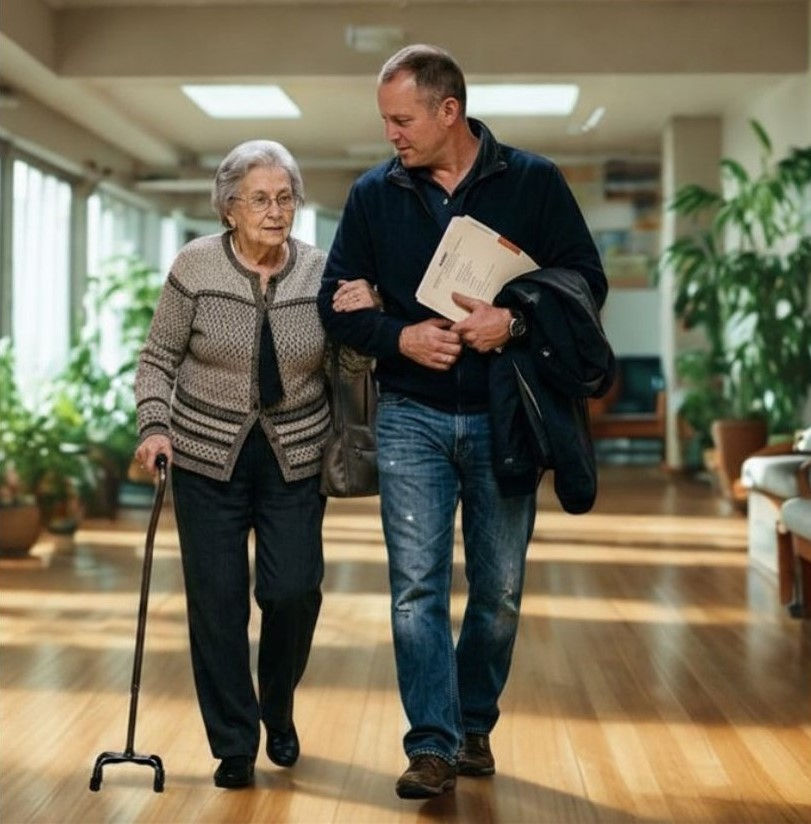
Home Care Doesn't Take Away Independence. It Helps Preserve It.
One of the biggest misconceptions about home care is that accepting help means giving up independence.
In reality, the right support often helps preserve it. Whether it's accompanying someone to a medical appointment, assisting with everyday tasks, or providing reassurance at home, home care allows many older adults to continue living safely and confidently while maintaining the routines and choices that matter most to them.
Needing assistance with certain tasks does not mean losing control. It simply means having the right support to continue living with confidence and dignity.
Home Care Supports the Entire Family
Home care doesn't just benefit the person receiving care.
It also provides reassurance for spouses, adult children, and family members who want to help but cannot always be there.
Many families balance careers, raising children, and other responsibilities while trying to support aging parents. They worry about falls, missed medications, poor nutrition, or loneliness, but may not be able to check in as often as they would like.
Knowing that a trusted caregiver is providing support offers peace of mind and reduces the stress that many families quietly carry every day.
Instead of spending every visit catching up on chores and responsibilities, families can focus on what matters most, simply spending quality time together.
The Conversation Is Often the Hardest Part
Talking to aging parents about accepting help can be one of the most difficult conversations a family will ever have.
Many older adults value their independence deeply and may see outside assistance as a sign that they can no longer manage on their own.
Others worry about becoming a burden or fear losing control over their daily lives.
Sometimes, they may minimize pain, overlook struggles with everyday tasks, or insist that everything is fine because they do not want to worry their family.
Approaching the conversation with empathy rather than pressure can make all the difference. The goal is not to take away independence but to find practical solutions that allow them to maintain it.
Home care is not about doing everything for someone. It is about providing support where it is needed so they can continue doing as much as possible for themselves.
The Best Time to Explore Home Care Is Before a Crisis
Many families wait until after a fall, hospitalization, or medical emergency before considering home care.
By then, decisions often need to be made quickly during an already stressful time.
Exploring support options earlier gives families the opportunity to plan thoughtfully and introduce care gradually.
Sometimes, just a few hours of assistance each week can make a meaningful difference by reducing risks, preventing caregiver burnout, and helping older adults remain safely at home longer.
Starting home care early is not a sign that someone has lost their independence. It is a proactive step that can help preserve it for years to come.
The goal of home care is not to take over someone's life, but rather, to provide the right support so they can continue living with safety, confidence, dignity, and the highest possible quality of life in the place they know and love.
What Services Can Home Care Provide?
Every person has unique needs, which is why home care should always be personalized.
Depending on the individual's circumstances, services may include:
Personal care and hygiene assistance
Companionship and meaningful social interaction
Medication reminders
Meal planning and preparation
Transportation to medical appointments
Grocery shopping and prescription pickup
Respite care for family caregivers

Some individuals may only need occasional companionship or help around the house, while others benefit from more comprehensive daily support. The level of care can often be adjusted over time as needs change.
The common goal remains the same: helping people live as independently and comfortably as possible in their own homes.
Supporting Independence, One Day at a Time
Growing older or living with health challenges does not mean giving up the life and home that bring comfort and familiarity.
With the right support, many people can continue enjoying their daily routines, maintain meaningful connections, and remain active participants in their own lives.
Home care is not about replacing independence.
It is about preserving it through compassionate support, personalized care, and a commitment to helping people live safely, confidently, and with dignity at home.


